
Roofs Built to Withstand Decades of Weather
Roof Replacement and Installation in Bismarck for properties with widespread deterioration, repeated leak repairs, or aging roof systems
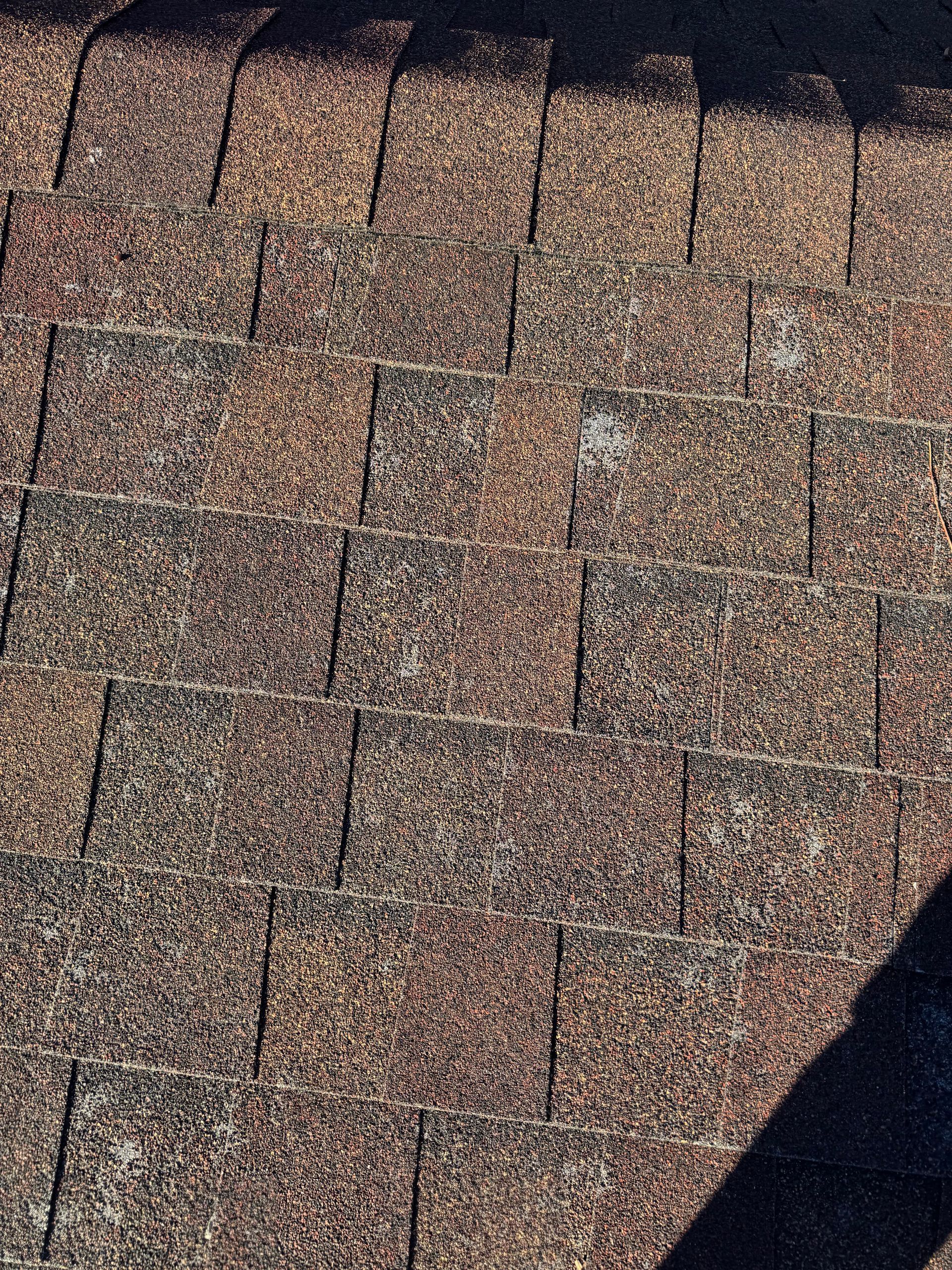
A failing roof with multiple problem areas, extensive granule loss, or recurring leaks signals that isolated repairs no longer provide reliable protection. Singh Contracting, Inc. approaches roof replacement by evaluating the existing roof condition, property requirements, and material options suited to North Dakota's climate extremes. Complete roof replacement addresses not just surface materials but also ventilation design, flashing details around penetrations, and water management systems that prevent ice dams and edge deterioration—problems that patching alone cannot resolve.
The replacement process begins with removing existing roofing materials down to the decking, which allows inspection of structural components for rot, water damage, or inadequate support. New underlayment provides a secondary water barrier, flashing is installed or replaced around chimneys, vents, and roof transitions, and ventilation is configured to balance airflow and prevent heat and moisture buildup. Material selection considers exposure, roof slope, architectural style, and long-term performance expectations for residential and commercial applications.
Request a detailed replacement estimate when your roof shows widespread wear, multiple leak points, or repair costs that approach replacement value.
What Complete Replacement Accomplishes
Roof replacement eliminates the cycle of repeated repairs by installing a new system designed for your property's specific conditions. Singh Contracting, Inc. evaluates structural support, drainage patterns, and exposure factors during planning to ensure the new roof performs as intended. Proper installation requires coordinating material delivery, weather windows, and site access, especially for commercial properties where minimizing operational disruption matters.
Once replacement is complete, you'll see uniform material coverage without patched sections, mismatched shingles, or visible wear patterns. Water drains consistently toward gutters without pooling, interior spaces remain dry through storm events, and the roof profile appears level without sagging or waviness. Ventilation operates as designed, reducing attic heat buildup in summer and preventing condensation issues during winter months when temperature differentials are extreme.
Replacement timelines depend on property size, roof complexity, material availability, and weather conditions. North Dakota weather requires scheduling around temperature requirements for material installation and avoiding periods when high winds or precipitation would compromise work quality. The planning phase addresses these variables to establish realistic completion expectations.
Common Questions About Roof Replacement
Property owners considering roof replacement often need clarity on process details, material decisions, and project logistics. These answers address typical concerns for both residential and commercial projects.
How do you determine whether replacement is necessary?
The evaluation considers roof age, extent of deterioration, frequency of repairs, decking condition, and whether the existing system can support additional service life. When multiple problem areas exist or structural components show water damage, replacement provides better long-term value than continued patching.
What happens during the replacement process?
The existing roof is removed, decking is inspected and repaired where damaged, new underlayment and flashing are installed, ventilation is configured or upgraded, and new roofing materials are applied according to manufacturer specifications. Final inspection confirms proper installation and water management.
Why does ventilation matter during replacement?
Inadequate ventilation traps heat and moisture in attic spaces, which accelerates shingle aging, promotes condensation that rots decking, and increases heating and cooling costs. Bismarck's temperature extremes make balanced intake and exhaust ventilation especially important to preventing premature roof failure.
What factors affect material selection?
Roof slope, exposure to wind and sun, architectural style, building use, and budget all influence material choice. Steeper residential roofs often use asphalt shingles, while low-slope commercial roofs may require membrane systems. The material must meet performance requirements for local climate conditions.
When is the best time to schedule replacement in North Dakota?
Late spring through early fall provides the most consistent weather windows and temperature ranges suitable for material installation. Scheduling early in the season allows flexibility if weather delays occur and ensures completion before winter conditions arrive.
Singh Contracting, Inc. provides roof replacement and installation services for residential and commercial properties throughout Bismarck. Contact our team to schedule an estimate and review material options suited to your property's condition and requirements.