
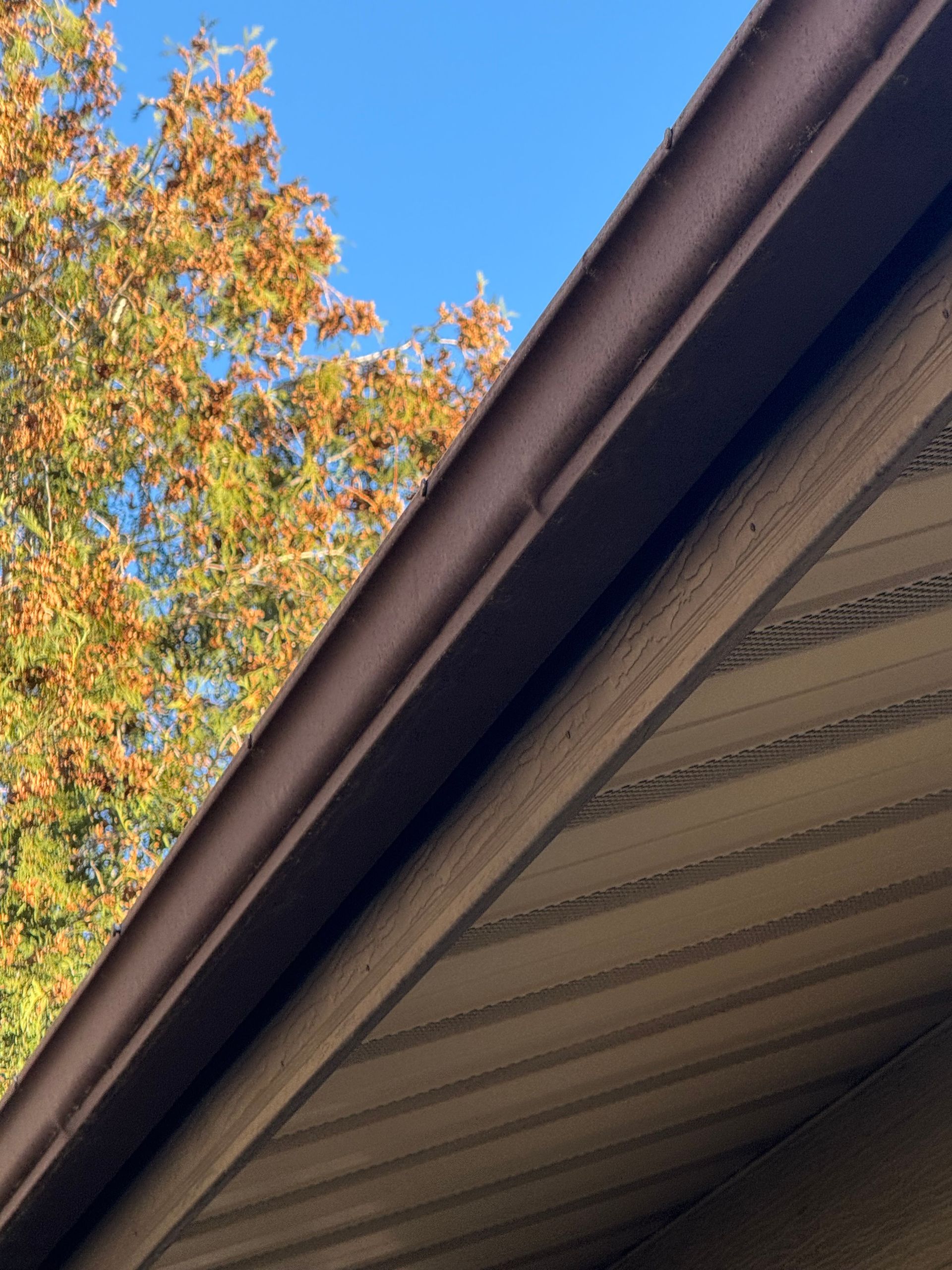
Roof Runoff Directed Where It Belongs
Gutter Installation and Replacement in Bismarck for properties with failing drainage, water pooling near foundations, or storm-damaged gutter systems
Properly functioning gutters collect roof runoff and channel it through downspouts to discharge points well away from the building, preventing water from saturating soil around foundations or eroding landscaping below roof edges. Singh Contracting, Inc. installs and replaces gutters and downspouts for residential and commercial properties in Bismarck as part of a complete exterior water-management strategy. When gutters sag, pull away from fascia boards, or overflow during heavy rain, water runs down exterior walls, seeps into basement window wells, and creates conditions for foundation settlement and interior moisture intrusion.
Gutter installation begins with measuring roof edge lengths, calculating downspout spacing based on roof area and anticipated runoff volumes, and determining where water will discharge without creating new drainage concerns. Replacement projects often reveal rotted fascia boards beneath failed gutters, requiring repair before new sections can be mounted securely.
Request an inspection to assess current gutter performance and identify areas where water management needs improvement.
How Gutter Systems Address Water Control
Gutter sections are mounted with hangers spaced to prevent sagging under the weight of water and ice, sloped toward downspouts at a grade sufficient to move runoff without allowing standing water to freeze in place during cold months. Downspout outlets are positioned to discharge away from the structure, often connecting to extensions or underground drains that carry water to appropriate drainage areas.
After installation, you see water flowing smoothly toward downspouts during rain events, roof edges that remain clear of overflow, and no staining on siding below the roofline. Ground around the foundation stays drier because runoff is directed to planned discharge points rather than spilling over gutter edges or running behind clogged sections.
Gutter work is frequently coordinated with roofing projects since both systems manage water at the roof edge, and storm damage often affects gutters and shingles simultaneously. This coordination allows a single inspection to address both systems and avoids the need to remount gutters after roofing work is completed separately. The service applies to both residential homes and commercial buildings where water management affects landscaping, walkways, and foundation protection.
Answers to Frequent Service Questions
Property owners typically want to know about system capacity, maintenance requirements, and how gutter work integrates with other exterior repairs.
How is gutter capacity determined for a specific building?
Roof area, pitch, and the expected intensity of rainfall in the region all influence how much water the gutter system must handle. Bismarck's storm patterns include heavy downpours and spring snowmelt runoff, requiring downspout spacing and gutter sizing that accommodate peak flow volumes without overflowing.
What causes gutters to pull away from the building?
Hangers spaced too far apart, ice accumulation adding weight beyond design limits, and rotted fascia boards that no longer hold fasteners securely all contribute to gutter separation. Once sections sag, water pools instead of flowing toward downspouts, accelerating the problem.
When should gutters be replaced rather than repaired?
If sections are dented, seams are separating in multiple locations, or the fascia behind the gutter shows rot or water damage, replacement typically provides better long-term performance than patching individual trouble spots.
Can gutter installation be done during cold weather?
Installation is possible during most conditions, but sealants and some materials perform better when applied above freezing temperatures. Scheduling around forecasted cold snaps ensures proper adhesion and allows gutters to be tested under actual rain conditions before winter sets in.
What happens to water discharged from downspouts?
Extensions or underground drains carry water away from the foundation to areas where it can absorb into soil or flow toward storm drains without affecting the building. Discharge points are selected to avoid creating erosion, pooling, or drainage problems in new locations.
Singh Contracting, Inc. provides gutter installation, replacement, and repair throughout Bismarck, with coordination available when roofing or storm-damage projects require multiple exterior systems to be addressed together. Schedule an inspection and estimate to review your property's current water management performance.